Source Gasoline Exhaust For Nissan 350z For Racing, Daily, Track
Source gasoline exhaust for nissan 350z from 30 verified listings. Compare stainless steel and titanium catback systems, mufflers, and tips for performance upgrades and replacements. Evaluate fitment for 370Z and GTR models with 1-year warranty options; compare the available evidence and request quotations based on your requirements.
Key considerations
Products List
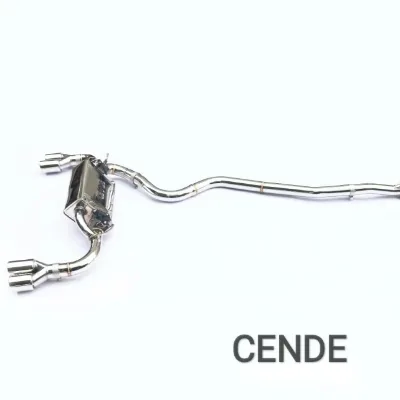
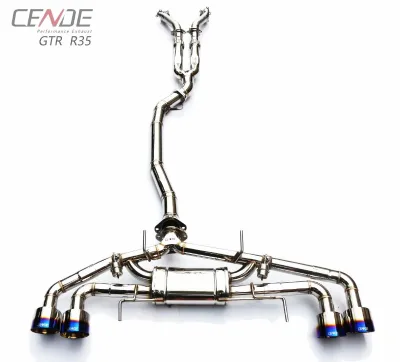
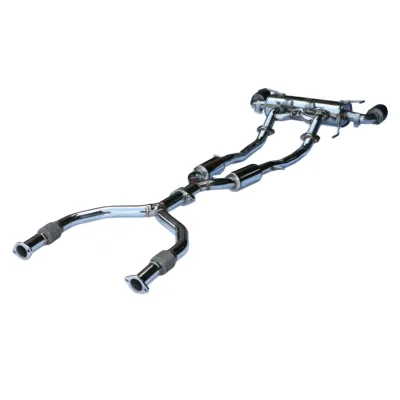
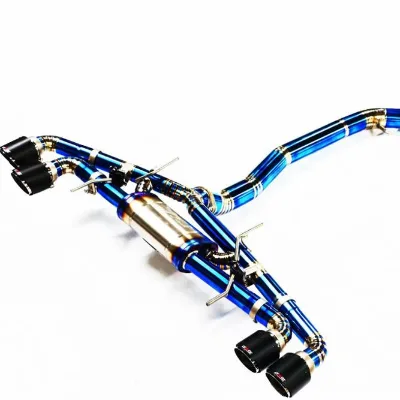
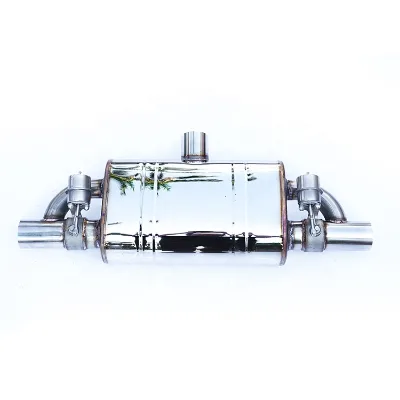
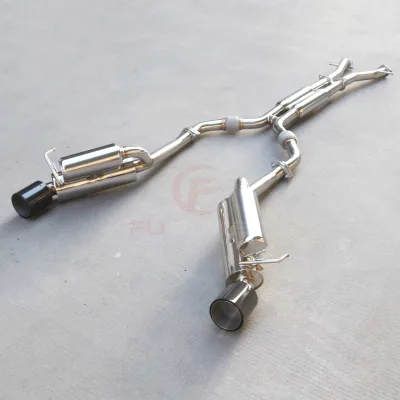
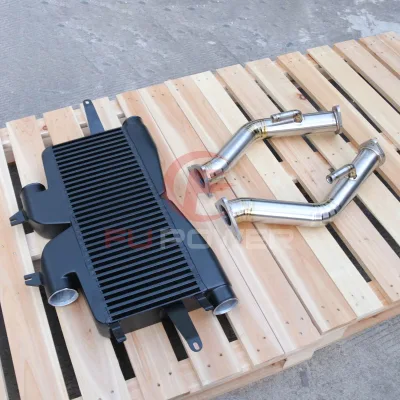
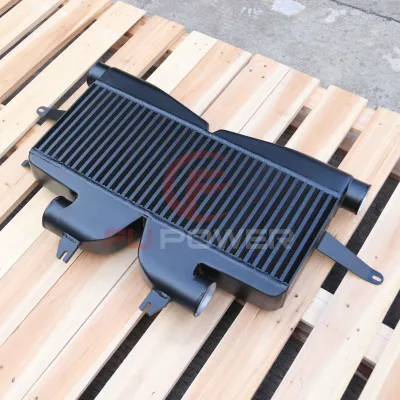


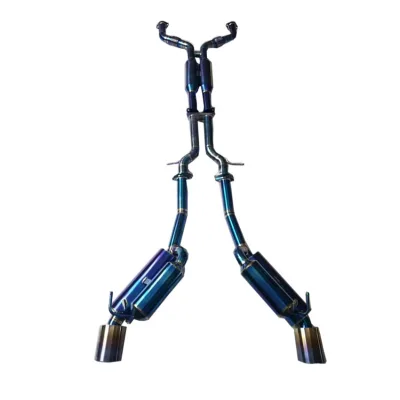
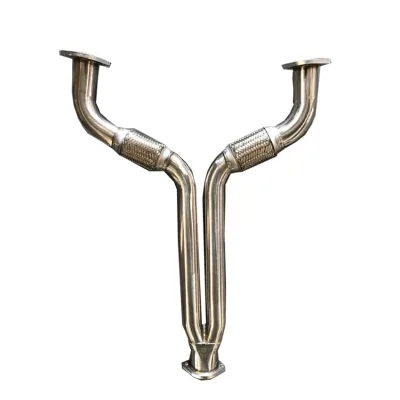
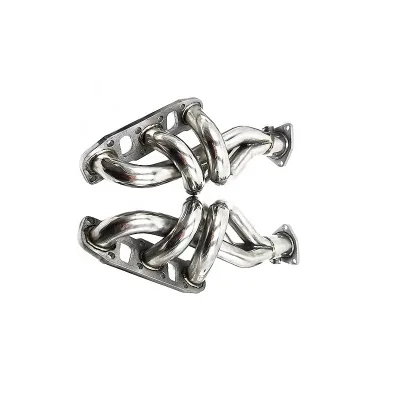
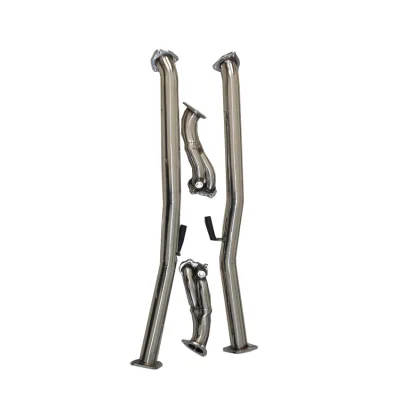


Comprehensive Sourcing Guide
Gasoline Exhaust for Nissan 350z Sourcing Guide
Buyers seeking aftermarket exhaust solutions for the Nissan 350Z must first distinguish between specific model years and engine configurations to ensure compatibility. The available market data indicates a strong focus on the 370Z platform, with listings explicitly targeting the 2010-2016 production window and the 3.7T engine variant. This distinction is critical because the 350Z and 370Z share a lineage but often possess different mounting points and pipe diameters, requiring precise verification before placing any order.
Procurement strategies should prioritize suppliers who clearly define their fitment scope within the product attributes rather than relying on generic descriptions. Observed listings frequently mention compatibility with the Nissan GTR R35 alongside the 350Z and 370Z, suggesting a need for careful cross-referencing of part numbers. Buyers must verify that the specific catback pipe system they select matches their vehicle's exact generation to avoid costly installation errors or the need for extensive custom fabrication.
Product Scope and Observed Listing Signals
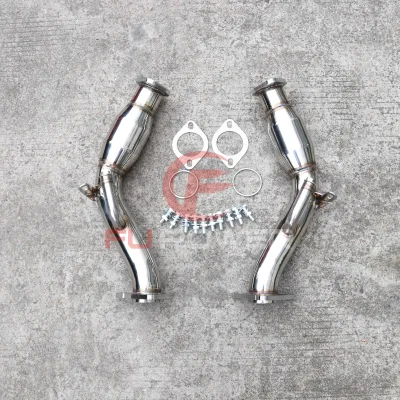
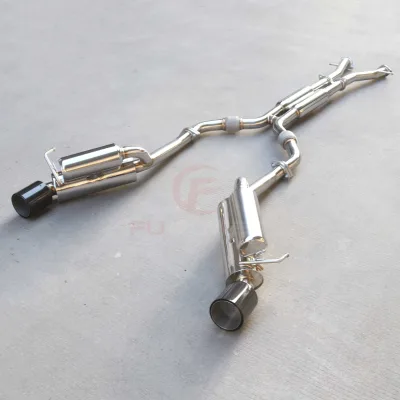
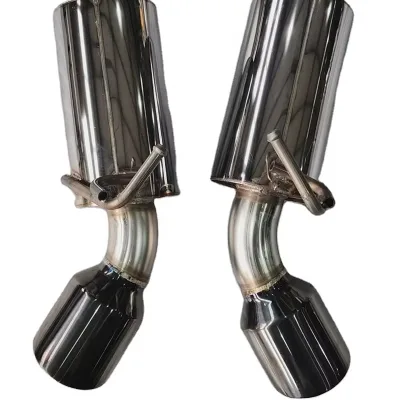
The current market for gasoline exhaust systems in this category is dominated by catback configurations designed to replace the stock muffler and tailpipe sections. Product names and descriptions consistently highlight "Car Exhaust catback Muffler" and "exhaust catback" as the primary product types available for these Nissan models. This scope generally excludes headers or downpipes, focusing instead on the rear section of the exhaust system where sound tuning and aesthetic upgrades are most commonly desired by enthusiasts.
Material composition is a key signal for buyers evaluating product quality and longevity in this sector. Listings frequently specify materials such as Stainless Steel SUS304, Titanium, or combinations involving Carbon Fiber, which directly influence the weight and corrosion resistance of the final assembly. Buyers should note that while some products claim "100% Genuine original" status, the actual material composition varies significantly between suppliers, necessitating a direct review of the material specifications provided in the product details.
Technical Specifications to Verify
Tube diameter is a fundamental technical parameter that dictates flow capacity and must align with the vehicle's existing piping architecture. Available data points to specific tube diameters of 3.5 inches or 4 inches for these exhaust systems, which are standard for high-performance applications on the 3.7-liter engine platforms. Buyers must confirm that the selected diameter matches their vehicle's requirements, as an incorrect size can lead to poor fitment, restricted airflow, or the inability to connect the system to the existing catalytic converter or mid-pipe.
Physical dimensions and packaging metrics provide essential data for logistics planning and storage requirements. Observed single package sizes range from approximately 150x50x25 cm to 160x40x40 cm, with corresponding gross weights varying between 38 kg and 60 kg per unit. These substantial dimensions and weights indicate that the exhaust systems are heavy-duty components, requiring careful calculation of shipping costs and warehouse space allocation to ensure efficient handling and delivery to the final destination.
Compliance and Safety Documentation
While specific certification documents are not explicitly detailed in the provided product attributes, buyers must verify that the exhaust systems comply with local emissions regulations and noise ordinances. The product descriptions mention "100% Fitment" and "plug and play" installation types, which imply a design intent to meet OEM standards, but this does not automatically guarantee legal compliance for road use in all jurisdictions. Procurement teams should request documentation regarding noise levels and emission standards from the supplier to ensure the purchased parts do not violate local automotive laws.
Safety considerations extend to the structural integrity of the materials used under high-temperature and high-vibration conditions. The use of SUS304 stainless steel and titanium alloys suggests a focus on durability, yet buyers should confirm that the welding quality and joint integrity meet industry safety standards. Without explicit test results or safety certifications in the listing, it is prudent to request third-party inspection reports or material test certificates to validate that the components can withstand the thermal and mechanical stresses of a gasoline engine exhaust system.
Cost Drivers and Commercial Terms
Pricing in this market segment is influenced heavily by the choice of material, with titanium and carbon fiber options commanding higher price points than standard stainless steel variants. The observed price range spans from $0.5 to $2666, reflecting the vast difference between basic components and premium, full-system upgrades. Buyers should analyze the cost per unit relative to the material grade and warranty terms, as the lowest price may not always correlate with the best value if the material quality is insufficient for long-term performance.
Commercial terms such as Minimum Order Quantity (MOQ) and delivery timelines are critical factors in the procurement process. Listings indicate an MOQ of 1 set, offering flexibility for small-scale buyers, while delivery times are estimated between 7 to 30 days from the port of Huangpu. These lead times must be factored into inventory planning, especially since the heavy weight of the packages and the specific packaging details like "natural carton packing" can impact shipping logistics and final landed costs.
Supplier Qualification and Quality Control
Supplier identity is often presented through brand names like "Cende" or generic OEM designations, requiring buyers to assess the reputation and reliability of the manufacturing entity. The presence of "OEM Services Provided" and "Logo /package" options suggests that suppliers are capable of custom branding, which is a positive indicator of manufacturing maturity. However, buyers should verify the actual production capabilities and quality control processes of the supplier, as the brand name alone does not guarantee consistent product quality across different batches.
Quality assurance should be validated through explicit warranty terms and condition descriptions provided in the product listings. Most observed items come with a 1-year warranty and are listed as "New" or "Remanufactured," which sets a baseline expectation for product condition. Buyers must clarify the specific terms of the warranty, including coverage for defects in materials or workmanship, and ensure that the "100% Fitment" claim is backed by a return policy in case the product does not meet the stated specifications upon arrival.
Long-Term Procurement Checks
Sustainable sourcing requires ongoing monitoring of product consistency and supplier performance over multiple order cycles. Buyers should establish a protocol for inspecting incoming shipments to verify that the material composition, such as SUS304 or Titanium, matches the initial samples and that the packaging remains intact during transit. Regular quality checks help identify any drift in manufacturing standards or material substitutions that could compromise the performance and longevity of the exhaust systems.
Future procurement strategies should account for the evolving needs of the automotive aftermarket and potential changes in vehicle compatibility. As the Nissan 350Z and 370Z models age, the demand for replacement parts may shift, requiring suppliers to maintain inventory of specific years and engine types. Buyers should maintain open communication with suppliers regarding their ability to support long-term supply chains and ensure that the "plug and play" nature of the products remains consistent with future vehicle models or modifications.
FAQs
What materials are used for the exhaust system?
The exhaust systems are constructed from Stainless Steel SUS304, Titanium, or Titanium Alloy combined with Carbon Fiber. These durable materials ensure resistance to corrosion and high temperatures, providing a long-lasting solution for automotive exhaust applications while maintaining structural integrity under demanding driving conditions.
Which Nissan models are compatible with this exhaust?
This catback pipe exhaust system is designed for Nissan models including the 350Z, 370Z, and GTR R35. It specifically fits vehicles from the 2010-2016 production years. The fitment is engineered to be 100% compatible, ensuring a direct replacement or upgrade for these specific automotive platforms without modification.
What is the minimum order quantity for purchase?
The minimum order quantity is 1 set, allowing buyers to purchase single units for testing or small-scale needs. This low MOQ facilitates easy sourcing for individual repairs or small fleet upgrades. Buyers can order just one item to evaluate quality before committing to larger wholesale quantities for broader distribution.
How long does delivery take after ordering?
The standard delivery time ranges from 7 to 30 days after order confirmation. This timeframe accounts for manufacturing, quality checks, and shipping logistics from the origin in Guangdong, China. Buyers should plan their procurement schedules accordingly to ensure timely installation and avoid delays in their automotive repair or upgrade projects.
What warranty is provided with the exhaust system?
A 1-year warranty is provided with every exhaust system purchase. This coverage ensures that the product meets quality standards and functions as expected during the initial period of use. Buyers receive assurance against manufacturing defects, supporting confidence in the durability and performance of the stainless steel or titanium components supplied.
Can the exhaust be customized with a specific logo?
Yes, OEM services are provided, allowing for custom logo and packaging options. Buyers can request specific branding on the product or its carton packing to align with their business identity. This customization capability supports private labeling strategies, enabling distributors to market the exhaust systems under their own brand names effectively.